Family
What a Family Intervention Is, and What It Isn't
Not an ambush and not the TV version. A prepared process with assessment, preparation, a facilitated conversation, a written plan, and follow-through.
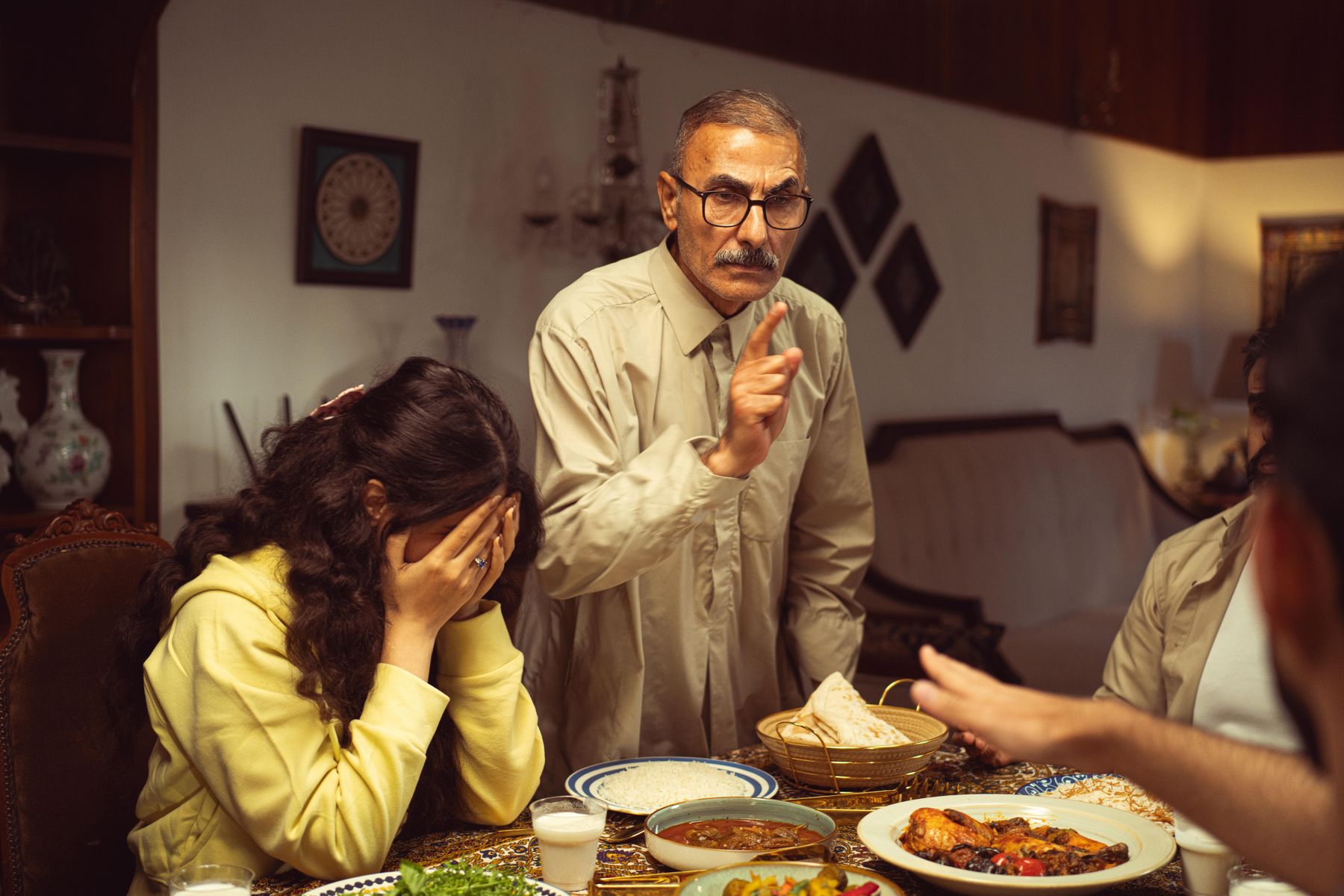
Family
Not an ambush and not the TV version. A prepared process with assessment, preparation, a facilitated conversation, a written plan, and follow-through.
When people hear the word intervention, a lot of them picture the TV version. A surprise. A room full of people. Someone storming out. That's not what I do, and it's not what helps.
A family intervention is a prepared process, not a single conversation. It includes assessment, preparation, a facilitated conversation, a written plan, and follow-through. The family gets on the same page first. We decide together what needs to be said, who says it, and what we're asking for. Then we have the conversation, with me in the room to guide it, assess risks, set boundaries, and adjust the process when joint work is not appropriate.
We name what is happening, listen to its impact, clarify what each person is responsible for, and set boundaries that protect dignity and safety. Participation is voluntary. The aim is honest ownership and observable change, not forced agreement or reconciliation.
If every hard conversation ends in a blowup or a long silence, if someone you love is hurting the family and nobody will say it out loud, or if you're worn out from trying to fix it from the inside, it may be time to bring in someone trained to help.
If you're in danger, call 911 first. Otherwise, a free 15 minute call is a safe place to start. We'll talk about what's going on and what a plan could look like. You can also read how family intervention works.
The first step
No pressure and nothing to prepare. Tell me what’s going on and I’ll tell you honestly whether I can help.
Prefer to text? That works too. Contact Ernest